
So you want to see the Stockholm archipelago from the water, and you’ve worked out that a cruise is the way to do it. Smart move. Trouble is, the word “cruise” covers a lot more than most people expect.
Sightseeing loops. Dinner boats. Speedboats that soak you. Slow public ferries. Two-hour hops with coffee and a bun. It gets confusing fast, and the wrong pick can leave you either bored or out of pocket.
So let’s start from the top.
First up, what an archipelago cruise actually is and how a typical one works, then a friendly rundown of the main types and how to land on the one that suits your day.
No jargon. Just the real differences.
Let’s get into it.
What Is a Cruise to Take Around the Archipelago?
An archipelago cruise is a simple thing at heart. It’s a boat trip out among the islands, taken for the ride itself rather than to get somewhere. You board in the city, glide out through the Stockholm archipelago, and come back a couple of hours later with a head full of sea air and photos.
And there’s a lot to glide through. The archipelago is huge, roughly 30,000 islands, islets, and bare rocks by the usual count, fanning out from the city into the Baltic Sea. Most of them are car-free. Red cottages, wooden jetties, pine trees on the rocks, and water everywhere you look.
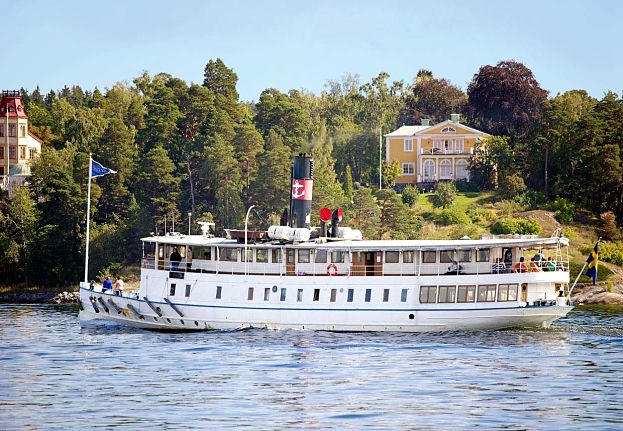
That’s the thing about this place. You can drive to a couple of the bigger islands, sure, but the good stuff, the little channels and the quiet skerries, you only reach by water. It was made for boats.
So a cruise isn’t one fixed thing. It’s a whole family of boat trips, from a two-hour guided loop to a multi-day sail, and the one word covers all of them. Working out which kind you actually mean is half the battle, and that’s what the rest of this guide is for.
1. A Typical Archipelago Cruise, Start to Finish
Most guided cruises follow the same easy shape, so here’s how a typical one goes. You turn up at a central quay, show your booking, and step aboard maybe fifteen minutes before it leaves. No check-in queues, no fuss.
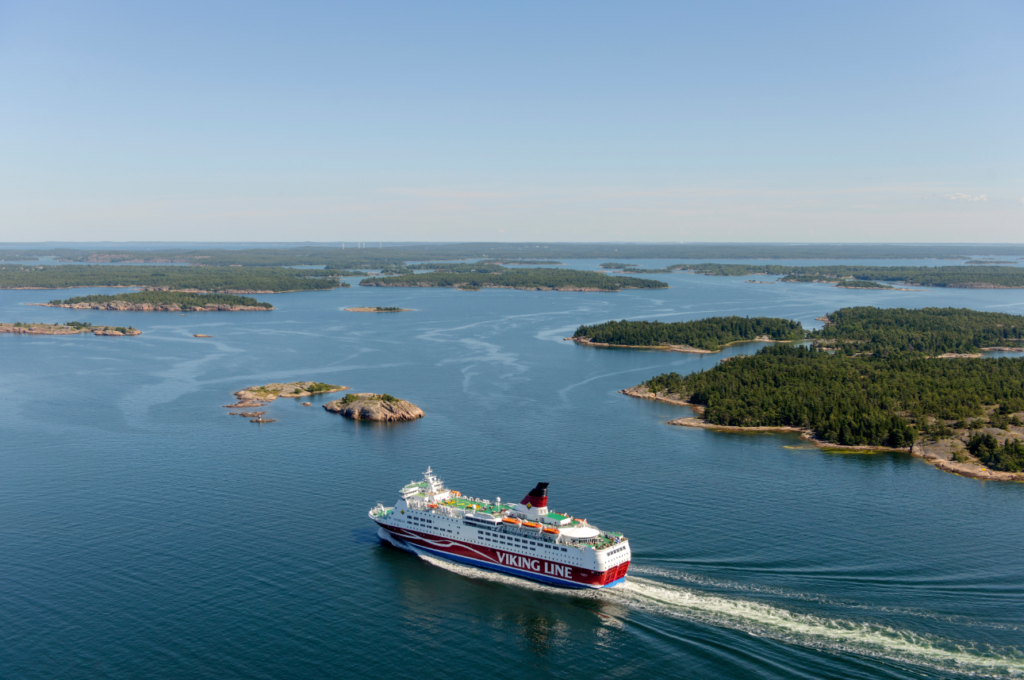
Once you’re off, the boat eases out through the inner islands while a guide talks you through what’s passing by. You’re free to wander. Open deck up top for the views and photos, a warm lounge below when the wind bites, and usually a small bar or café for a coffee or a beer.
A couple of hours later you’re back at the same dock you started from. No timetables to juggle, no wrong stop to worry about. That simple loop is the backbone of most archipelago cruises. The fancier trips just build on it, adding food, speed, a theme, or extra days.
2. The Views on an Archipelago Cruise
Good to know what you’re actually looking at out there, because it’s not just open sea. The classic inner route slips through narrow channels lined with summer homes, past little islands like Fjäderholmarna, and out to where the water finally opens up wide.
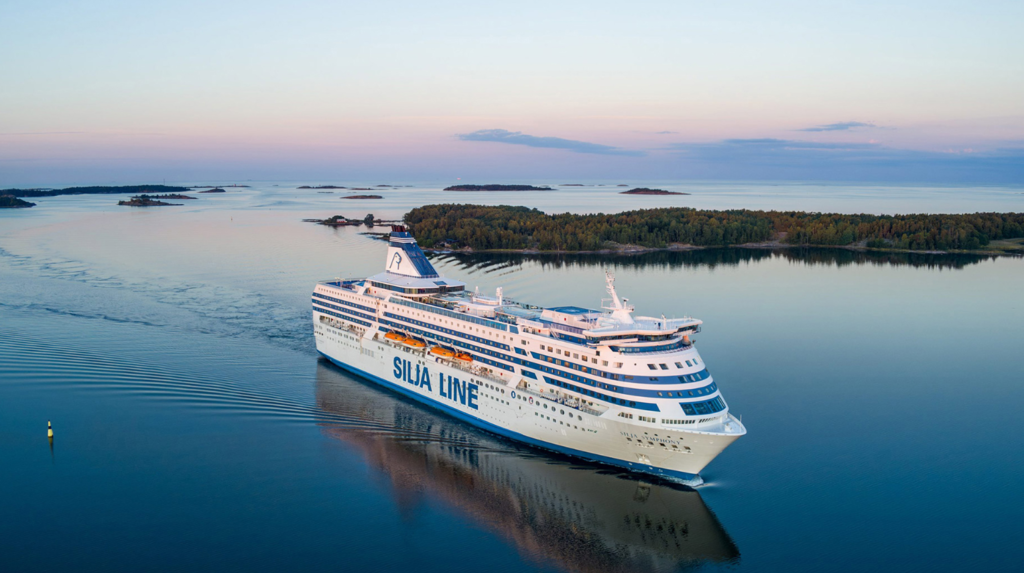
You’ll pass rocky shores and painted wooden cottages, sailboats leaning in the breeze, and the odd brave soul swimming in the Baltic. Seabirds everywhere. Maybe even a seal if you’re lucky and heading further out. The scenery keeps shifting too, lush and homely near the city, wilder and barer the further out you push.
A good guide turns all that from pretty scenery into a proper story. How folks live out here through the long winters, which island did what back in the day, where the locals actually go to swim. That’s the part you tend to remember.
3. Classic Sightseeing Cruises
This is the one most people mean by “archipelago cruise,” and for good reason. A guided loop out through the inner islands and back, two to three hours, pretty much exactly like the walk-through above. It’s the default, and a fine one at that.
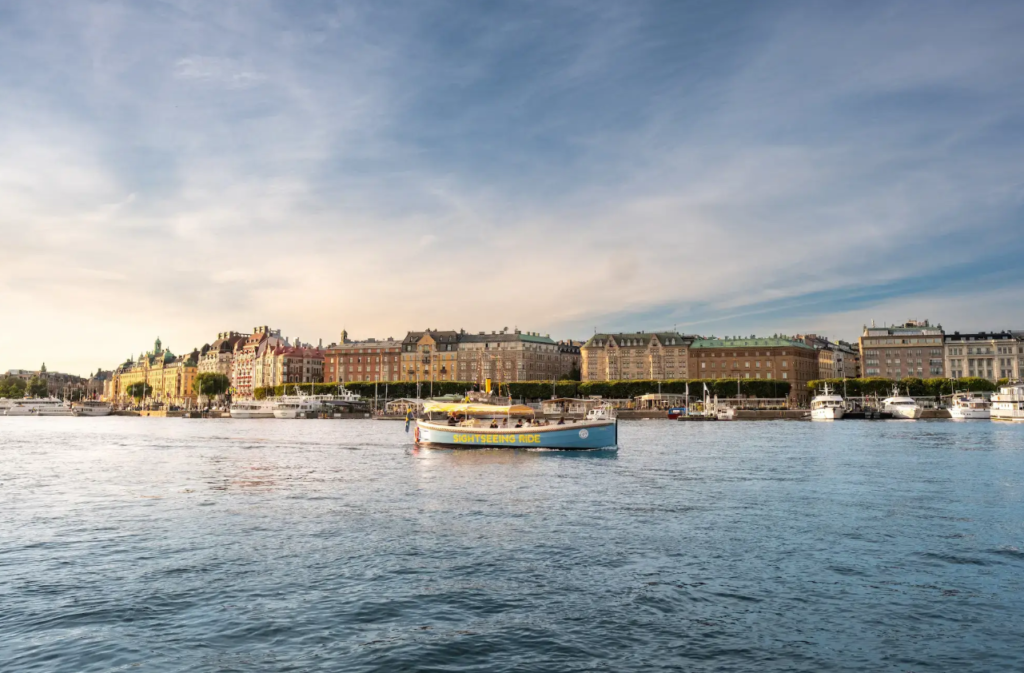
For a first-timer, it’s the safe, satisfying pick. Someone does the talking so the islands actually mean something, and two hours tends to be the sweet spot. Long enough to get properly out among the islands, short enough that nobody gets restless. Even the kids stay happy. If you only do one cruise, make it this kind.
4. Themed Cruises: Fika and Craft Beer
Here’s where things get fun. A lot of the short guided cruises come with a theme, a little something extra that turns a boat ride into more of an occasion. Same lovely scenery, just with a twist to it.
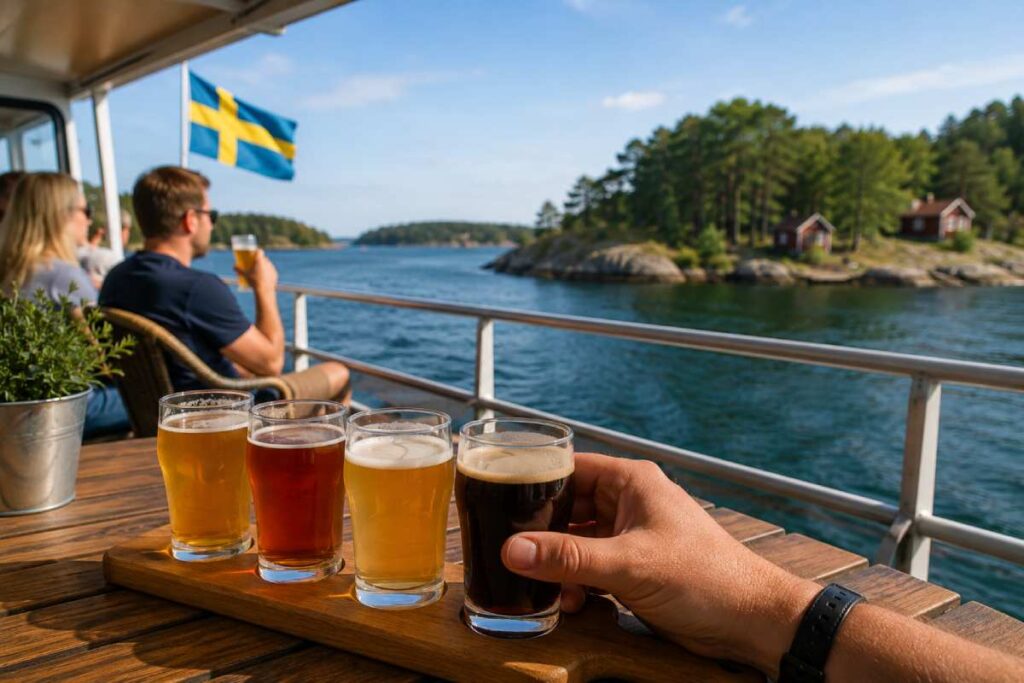
The cosy end of the scale is a fika cruise. Fika is the Swedish coffee break, coffee or tea with a cinnamon bun, taken slow and unhurried. SKS Tours has a two-hour Swedish fika cruise built around exactly that, drifting past the inner islands while you settle in with a warm drink and something sweet. Proper relaxing.
If you’d rather your sightseeing had a bit more buzz, there’s the livelier version. Their craft beer cruise swaps the coffee for a local brew, adds an upper deck with music, and leans more social. Same route, different energy. A good shout for a group or a warm evening.
Both leave from central Stockholm, near the Royal Palace, and both come in at about a couple of hours. Themed cruises like these are a nice middle ground. More character than a plain sightseeing loop, but far lighter on your time and wallet than a big day out.
5. Dinner and Lunch Cruises
Some cruises put the food front and centre. Lunch boats, brunch boats, and evening dinner cruises that pair the archipelago views with a proper meal, often a seafood buffet or a set menu. These tend to last longer, two to four hours, and cost more once the food’s baked in.
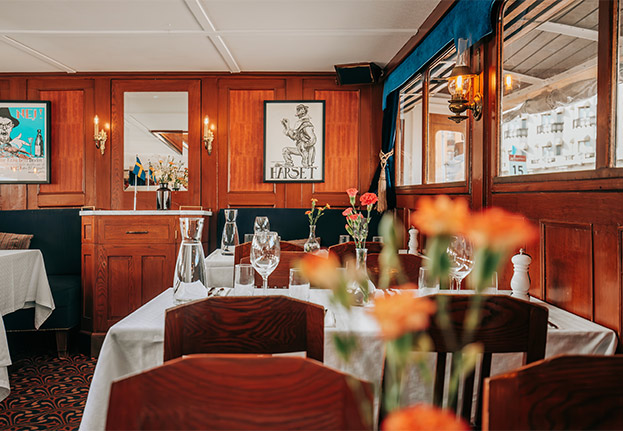
The seafood-focused ones lean into Swedish classics. Prawns, herring, cured salmon, that sort of spread. Even the simpler lunch cruises usually rustle up something fresh and local, and you’re eating with a moving view, which beats any restaurant window.
They’re lovely for a special occasion. A birthday, an anniversary, or just a fancier night out. The evening ones are especially pretty in summer, when the light goes golden and hangs about for hours. Book these ahead, because the popular sailings fill up quick.
6. Public Ferry Trips Around the Archipelago
Not every “cruise” needs a guide or a ticket desk. The public ferries, operated mostly by Waxholmsbolaget, work like floating buses out to the islands, and plenty of people treat a return trip as a budget cruise in its own right.
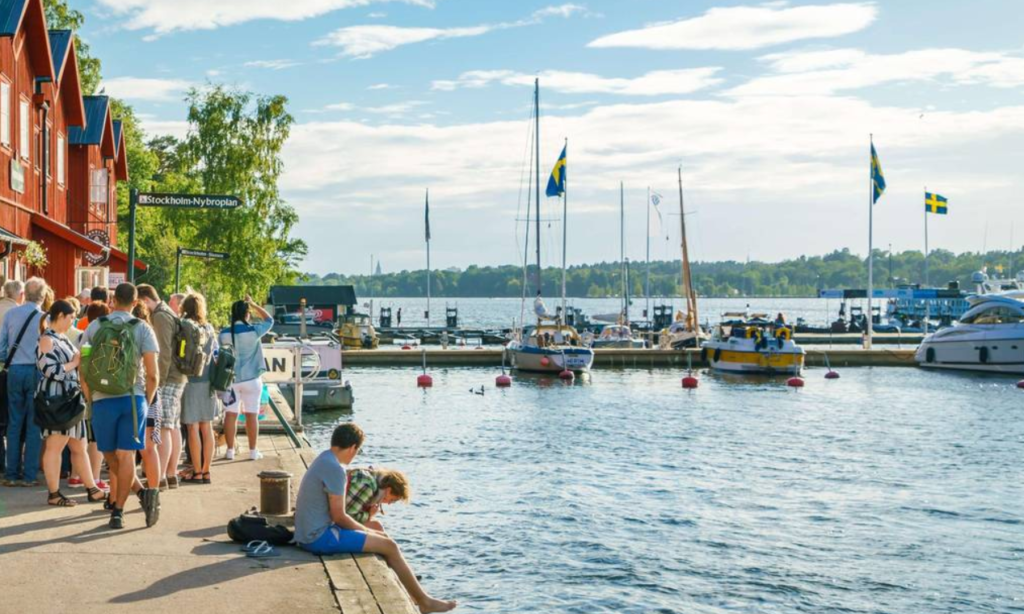
The upside is cost and freedom. You can hop off on an island, wander, grab lunch, and catch a later boat back whenever you please. If you’ve got an SL travel pass, a lot of the inner routes are covered by it. Bring a card though, because the public boats skip cash.
The downside is there’s no commentary and no frills. Just you, a few commuters with their shopping bags, and the view. For independent types who like to set their own pace, that’s a feature, not a fault.
7. RIB and Speedboat Tours
Fancy a bit of adrenaline with your sightseeing? RIB speedboat tours are the opposite of a slow steamer. You pull on a warm suit, hang on tight, and bounce across the water at a fair clip, reaching far-flung spots a normal cruise never gets near.
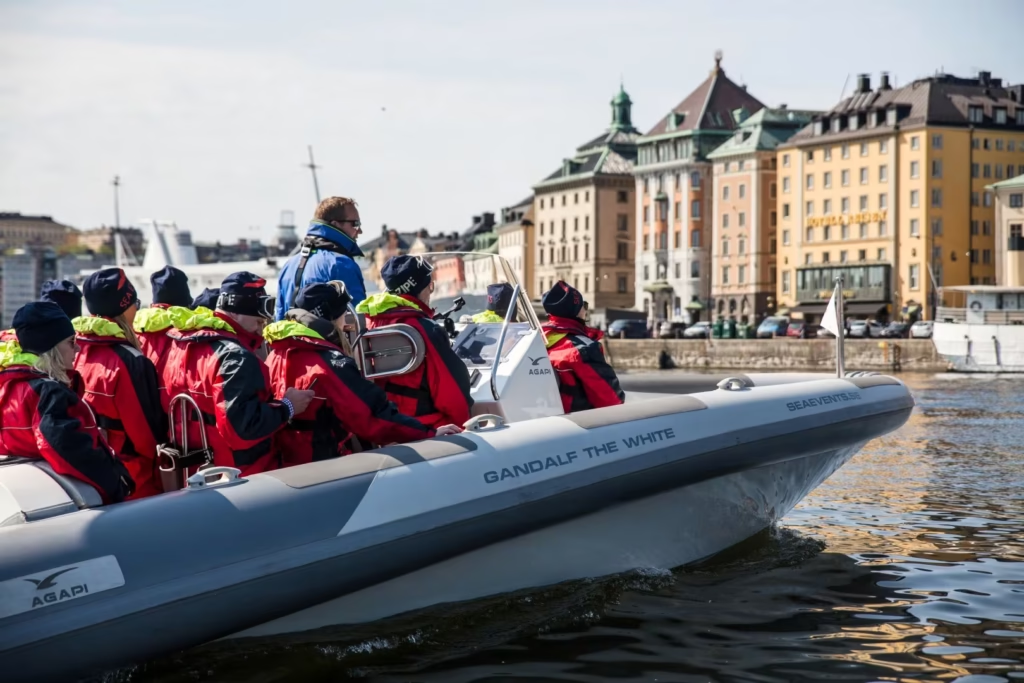
They’re shorter, usually an hour or two, and pricier per hour. But you cover way more ground and the buzz is real. Worth knowing they’re weather-dependent and a bit wild, so they suit the up-for-it crowd more than young kids or anyone after a gentle float.
Dress warm even in a summer heatwave, because the wind chill at speed is no joke out on open water.
And if anyone in your group gets queasy easily, the fast, bumpy boats might be one to skip. Great fun for the right crowd, a bit much for everyone else.
8. Multi-Day Sailing and Kayak Trips
At the far end are the proper adventures. Guided kayak expeditions and sailing trips that string several days together, taking you deep into the outer archipelago where the day boats never reach. Nights on quiet islands, meals sorted, the lot.
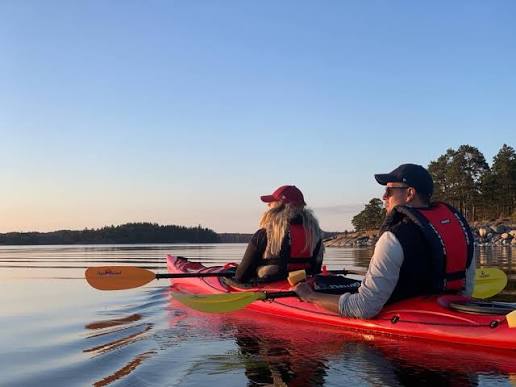
You don’t need to be an expert, either. Most guided trips take beginners, with the leader handling the route, the safety, and usually the cooking. All you bring is a sense of adventure and a willingness to get a little salty. These cost the most and ask the most of you, but nothing else comes close for the memory of it.
Stockholm Archipelago Cruise Costs
Price is often the decider, so here’s a rough idea. A short guided sightseeing or themed cruise of a couple of hours tends to land somewhere in the region of 300 to 450 kronor a head, sometimes with a drink or a coffee baked in.
A public ferry trip is the budget option by a mile. A one-way fare to a nearby island costs about 80 to 110 kronor, and less again if an SL pass covers it. Dinner cruises climb higher once the meal’s part of the deal, while RIB tours and multi-day trips land at the pricier end for the extra kit and time involved.
Prices shift with the season and the operator, so treat these as a ballpark and check the going rate when you book. Whatever you spend, seeing the archipelago from the water is money well spent.
One more note on money. Anything beyond what’s part of your ticket, the extra coffees, beers, or snacks onboard, usually costs a fair bit, so factor that in if you like to graze. A drink here and there, and a modest cruise quietly creeps up in price.
Picking the Right Cruise for Your Trip
Still weighing it up? The easiest way to choose is to start with what you’ve actually got. Your time, your budget, and the mood you’re after. The boat sort of picks itself from there.
Here’s a rough steer for the most common situations.
- Short on time. A two to three hour guided sightseeing or themed cruise gives you the archipelago without eating your whole day.
- Watching the budget. A return trip on a public ferry is the cheapest way onto the water, especially with an SL pass.
- After a special night. A dinner cruise pairs the views with a proper meal and works a treat for celebrations.
- Chasing a thrill. A RIB speedboat tour covers the most ground and brings the biggest rush.
- In it for the adventure. A multi-day kayak or sailing trip takes you where the day crowds never get.
Archipelago Cruises for Families and Groups
Who you’re travelling with shapes the pick more than you’d think. With little ones in tow, a short calm sightseeing or fika cruise is your best friend. Two hours, a warm cabin, a snack onboard, and they stay content. Save the speedboats and the long dinner sailings for another trip.
Bigger groups tend to want the opposite. A livelier boat with music, a few drinks, and some deck space to mingle. The themed cruises and the larger sightseeing boats handle a crowd nicely, and many take group bookings if you give them a heads-up in advance.
Couples after a quiet moment? Almost anything works, though a summer evening loop or a sunset dinner cruise is hard to beat. The trick is simple. Match the boat to the people you’re bringing, and everyone comes away happier.
Best Time of Year for an Archipelago Cruise
Boats sail year-round, but the feel changes a lot with the seasons. Summer, June through August, is the obvious winner. Long days, warm-ish air, and that famous northern light that lingers till nearly midnight.
The catch is company. July is peak, and the popular sailings and islands get busy. Book ahead if that’s when you’re going.
Autumn is a quiet gem. September still has warmth and colour, with far fewer people about and softer light for photos. Late spring is lovely too, fresh and green, if a touch cool on the water.
And winter has its own magic. Fewer boats, yes, but a moody, hushed archipelago most visitors never witness. Some operators put on cosy themed sailings around the festive season, hot drinks and all. Worth a look if you’re around in December.
Booking Your Archipelago Cruise
Booking is usually painless. Most operators sell tickets online, and a few still take walk-ups at the quay if there’s room. In peak summer, book ahead. The best sailings, especially weekend afternoons and any dinner cruise, go early, and a full boat is a sad thing to discover on the day.
Chasing a better price? Look at the shoulder seasons and the off-peak departures. A mid-week morning cruise in September is quieter, gentler on the wallet with some tours, and arguably prettier than a packed July afternoon. Family tickets and kids’ rates crop up on a lot of trips too, so a quick look before you pay can save you a few kronor.
One thing first-timers tend to underestimate is the time either side of the cruise itself. A two-hour trip is really a three or four-hour outing once you factor in getting to the quay, checking in early, and ambling back into the city afterward.
So don’t cram it. If your cruise leaves at one, that’s most of your afternoon spoken for, and that’s fine. Leave a little slack for a coffee beforehand and a wander after, rather than sprinting off to your next thing. A longer dinner or full-day cruise deserves to be the main event, not a slot squeezed between other plans.
Before You Board: Practical Tips
Whatever cruise you land on, a little prep makes the day smoother. Most trips leave from the central quays, around Strömkajen, Nybrokajen, Strandvägen, or Skeppsbron by the old town, so double-check your exact departure point when you book.
A few small things worth having with you.
- A layer or light jacket, even in summer, because the decks get breezy once you’re moving.
- Sunglasses and sunscreen for bright days out on open water.
- A card for tickets and drinks, since cash is rarely welcome.
- Your booking on your phone, plus a few minutes of buffer to find the right dock.
And get there early. The central quays can be a muddle with several boats loading at once, and turning up at the last second is a fine way to watch yours leave without you.
Choosing Your Stockholm Archipelago Cruise
There’s no single best archipelago cruise, only the best one for you. A calm coffee loop, a lively evening with a beer, a fancy dinner, a fast wet thrill, or a slow ferry with a book. All of them show you the same gorgeous water, just in their own way.
So think about your time, your budget, and the kind of day you fancy, then pick to match. However you head out there, a cruise around the Stockholm archipelago is one of those things you’ll be glad you didn’t skip.

Hi, I’m Robert Engdahl, a travel writer with a passion for helping people discover the very best of Sweden. Through my articles on SKSTours.com, I share practical travel advice, local insights, and destination guides designed to help you experience Sweden beyond the typical tourist attractions.