
Many visitors come to Sweden expecting beautiful cities, peaceful nature, and rich history. What often surprises them is a simple daily tradition that means a lot to local people. That tradition is called Swedish fika. Many Stockholm travel agency tours include chances to enjoy traditional fika at local cafés.
Fika is much more than taking a coffee break. It is a social custom that brings people together. Friends, family members, coworkers, and even business partners often pause their day to enjoy coffee, tea, and something sweet while spending time together.
This tradition has become an important part of Swedish culture. Anyone visiting Sweden will likely hear the word several times during the trip. Understanding fika helps visitors experience Swedish life in a more authentic way.
What Is Swedish Fika?
Swedish fika is a daily tradition centered on taking a break to enjoy coffee or tea alongside pastries, cakes, cookies, or light snacks. More than the food or drink, fika focuses on spending time with others, slowing down, and enjoying a meaningful pause during the day.
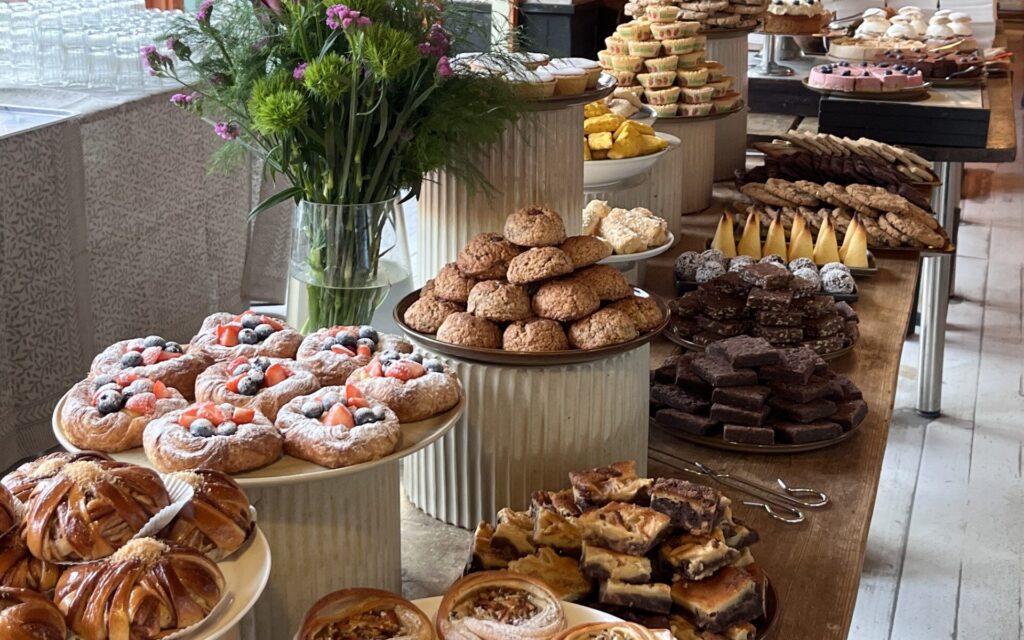
A typical Swedish Fika brings people together for conversation in a relaxed setting. Friends meet to catch up, family members spend time together, and coworkers step away from their tasks for a short break. The social connection often matters more than what is served on the table.
Unlike grabbing a quick coffee on the go, fika encourages people to pause and be present. The pace is unhurried, and attention shifts away from busy schedules, work deadlines, and constant phone notifications. The goal is to enjoy the moment rather than rush through it.
The word “fika” has a unique place in the Swedish language because it works as both a noun and a verb. People can enjoy a fika, plan a fika, or invite someone to fika together. This simple tradition remains an important part of everyday life across Sweden.
The History Behind Fika
Swedish fika has a history that stretches back hundreds of years. What began as a simple coffee break gradually became a cherished social tradition. Today, fika represents friendship, conversation, and a balanced way of life that remains deeply connected to Swedish culture.
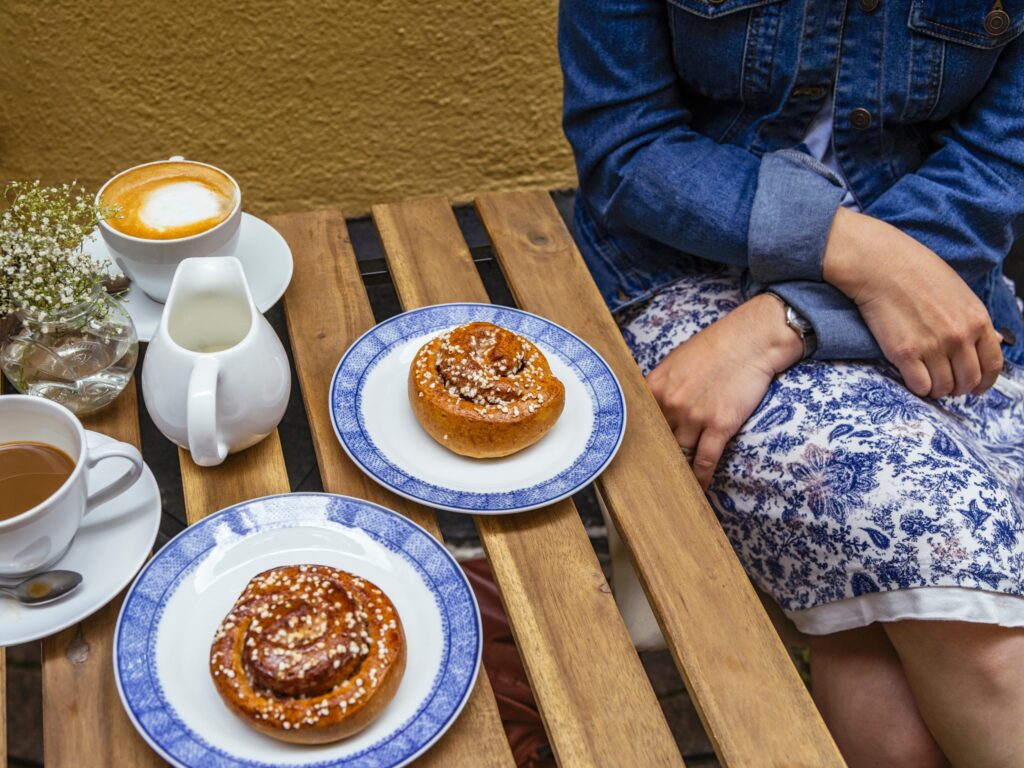
Coffee first gained popularity in Sweden during the 18th century. As more people began drinking it, coffee houses became common gathering places. These spaces gave people a chance to meet, talk, and spend time together outside their homes.
Public officials viewed coffee with suspicion at different points in history. Several bans were introduced because of concerns about health and economic issues. Despite these restrictions, many Swedes continued drinking coffee, keeping the habit alive across generations.
Coffee drinking slowly moved beyond a personal routine and became a social activity. People gathered around coffee pots, shared baked goods, and enjoyed conversations. These regular meetups laid the foundation for the fika tradition that is familiar today.
Modern fika carries many of the same values found in its early days. A short break for coffee and conversation remains an important part of daily life. Across homes, workplaces, and cafés, fika continues to bring people together and strengthen social connections.
Why Fika Matters in Swedish Culture?
Fika is much more than a coffee break in Sweden. It serves as a daily ritual that encourages people to slow down, connect with others, and enjoy a better balance between work and personal life. This simple tradition remains an important part of Swedish culture and everyday routines.
Many workplaces set aside time for fika during the day. Employees gather around a table, share coffee and snacks, and talk about topics beyond their job responsibilities. These casual conversations help build trust, improve teamwork, and create a friendlier work environment.
Fika also plays a meaningful role in social and family life. Friends meet in cafés throughout the year, while families often enjoy fika together at home during weekends and holidays. Coffee, pastries, and conversation help create moments that bring people closer together.
The tradition reflects a belief that short breaks can support both well-being and productivity. A few quiet minutes away from daily tasks can clear the mind, reduce stress, and help people return to their responsibilities with renewed focus and energy.
Traditional Foods Served During Fika
Food plays an important role in the Swedish fika experience. While coffee is often the main attraction, the treats served alongside it help make the break more enjoyable. From freshly baked buns to simple sandwiches, fika foods bring comfort, flavor, and tradition to every gathering.
The table below shows some of the most popular foods commonly enjoyed during a traditional Swedish fika.
| Food | Description |
| Cinnamon Buns (Kanelbullar) | Soft, sweet buns filled with cinnamon and topped with pearl sugar. One of the most recognized fika pastries in Sweden. |
| Cardamom Buns (Kardemummabullar) | Light and fragrant buns flavored with cardamom. A favorite choice for many Swedes. |
| Princess Cake (Prinsesstårta) | A layered sponge cake with cream, custard, and a green marzipan covering. Often served during celebrations. |
| Chocolate Cake | Rich chocolate cakes are commonly enjoyed with coffee during fika gatherings. |
| Fruit Tarts | Pastries topped with fresh fruit and cream that add a lighter, refreshing option. |
| Butter Cookies | Crisp, buttery cookies that pair well with both coffee and tea. |
| Oat Cookies | Traditional oat-based cookies with a slightly chewy texture and mild sweetness. |
| Ginger Cookies (Pepparkakor) | Thin, spiced cookies often enjoyed during the holiday season but available year-round. |
| Chokladbollar | No-bake chocolate balls rolled in coconut flakes or pearl sugar. A popular homemade fika treat. |
| Semla | A cardamom bun filled with almond paste and whipped cream, commonly enjoyed before Lent. |
| Open-Faced Sandwiches | Light savory snacks topped with cheese, ham, vegetables, eggs, or seafood. |
| Cheese Rolls and Pastries | Simple baked items that pair well with coffee for those who prefer less sweetness. |
| Waffles | Swedish-style waffles served with jam and cream, often enjoyed during special occasions. |
| Saffron Buns (Lussekatter) | Soft saffron-flavored buns traditionally associated with winter celebrations. |
The variety of foods served during fika reflects the welcoming nature of the tradition. Some gatherings focus on sweet pastries, while others feature lighter savory choices. Regardless of what appears on the table, the shared experience of enjoying good food, coffee, and conversation remains at the heart of every Swedish fika.
How Swedish People Enjoy Fika Today
Fika remains a natural part of daily life across Sweden. People enjoy it at home, in workplaces, cafés, schools, and outdoor spaces. Rather than being reserved for special occasions, fika is woven into everyday routines and continues to bring people together throughout the day.
Many Swedes enjoy more than one fika break during a typical day. A morning coffee may start the day, followed by another break in the afternoon. In many workplaces, these moments are planned into the schedule, giving coworkers time to relax and connect.
Cafés remain one of the most popular places for fika. Comfortable seating, warm interiors, and a relaxed atmosphere encourage people to stay longer. Instead of rushing through a drink, customers often spend time talking, reading, or simply enjoying a quiet break.
Outdoor fika becomes especially popular during spring and summer. Families, friends, and coworkers gather in parks, gardens, beaches, and waterfront areas with coffee and pastries. Fresh air and scenic surroundings make the experience even more enjoyable.
Visitors traveling through Sweden can spot fika culture almost everywhere. Busy city cafés, office break rooms, neighborhood bakeries, and public parks all provide glimpses into this daily tradition. The practice continues to reflect the Swedish appreciation for balance, social connection, and simple pleasures.
Best Places to Experience Swedish Fika
Swedish fika can be enjoyed almost anywhere, but certain places create a more memorable experience. From cozy cafés and historic coffee houses to family homes and scenic island cruises, each setting provides a different perspective on this beloved Swedish tradition.
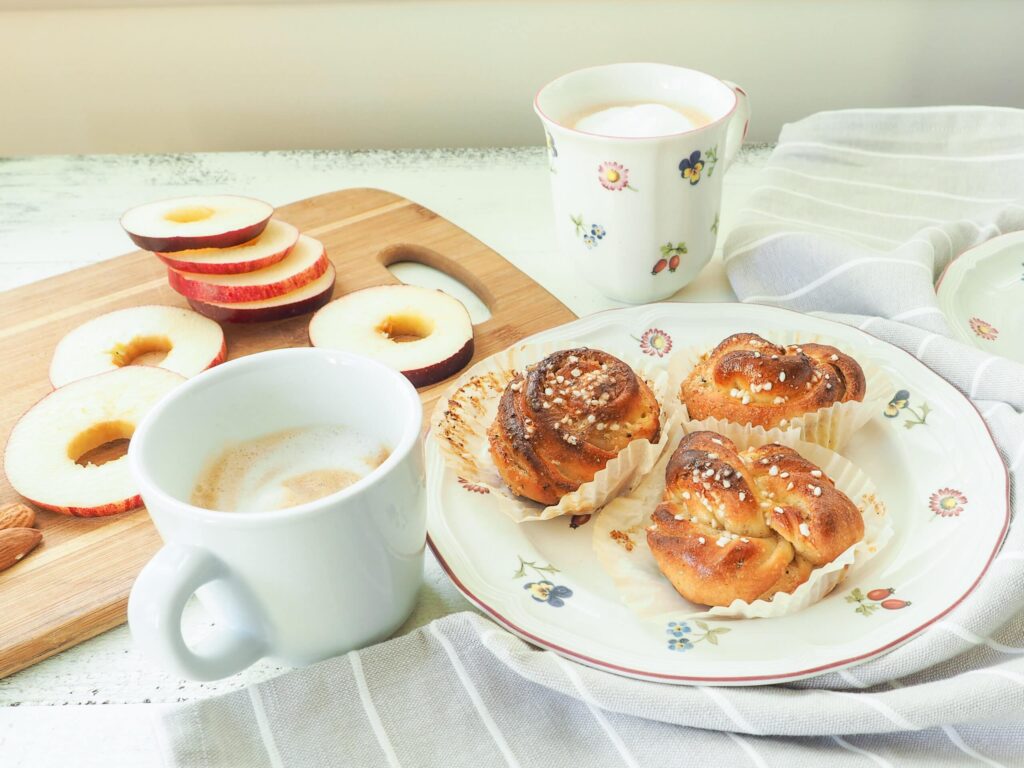
1. Stockholm Archipelago Cruise With Swedish Fika
A traditional fika becomes even more memorable when paired with the natural beauty of the Stockholm Archipelago. Surrounded by thousands of islands, forests, and waterways, visitors can enjoy Swedish coffee and pastries while taking in some of the country’s most beautiful coastal scenery.
The Stockholm Guided Archipelago Cruise Tour with Swedish Fika from SKS Tours combines sightseeing with an authentic cultural experience. Guests enjoy classic Swedish fika while cruising through the archipelago, creating a relaxing and enjoyable way to experience both Swedish hospitality and nature during a single excursion.
2. Traditional Swedish Cafés
Local cafés remain one of the most popular places to enjoy fika in Sweden. Freshly brewed coffee, handmade pastries, and a welcoming atmosphere create the perfect setting for a relaxed break. Many cafés take pride in baking their own cinnamon buns, cardamom buns, and cakes each day.
A visit to a traditional café gives travelers a chance to experience fika much like local residents do. Conversations flow naturally, people stay longer than expected, and the focus remains on enjoying good company rather than rushing through a meal or drink.
3. Historic Coffee Houses
Several Swedish cities are home to coffee houses that have welcomed guests for generations. These establishments preserve a piece of the country’s coffee culture through classic interiors, traditional recipes, and long-standing customs that continue today.
Many historic coffee houses feature beautiful architecture, antique furnishings, and an atmosphere that reflects earlier periods of Swedish life. Enjoying a fika in one of these locations combines local history with a timeless social tradition.
4. Home Gatherings With Local Hosts
Some of the most authentic fika experiences take place in private homes. Family gatherings, weekend visits, and casual get-togethers often center around coffee, pastries, and conversation. Homemade baked goods add a personal touch that many visitors remember long after their trip.
Sharing fika with local hosts provides a closer look at Swedish daily life. The experience feels less like a tourist activity and more like a genuine cultural exchange, helping visitors understand the social importance of the tradition.
5. Parks and Outdoor Spaces
Outdoor fika becomes especially popular during the warmer months. Parks, gardens, waterfront promenades, and public squares often fill with people carrying coffee cups, picnic baskets, and fresh pastries. Pleasant weather encourages longer gatherings outdoors.
Many Swedes enjoy taking their fika into nature whenever possible. A simple coffee break beside a lake, under a tree, or near the water can feel just as meaningful as visiting a café, particularly during the long summer days.
6. Bakeries and Konditori
Swedish bakeries, known as konditori, are another excellent place to enjoy fika. These establishments focus heavily on freshly baked breads, cakes, pastries, and traditional Swedish treats. Many locals stop by regularly for coffee and a favorite pastry.
A konditori often provides a more traditional bakery experience than a modern coffee shop. Fresh aromas, display cases filled with baked goods, and long-standing recipes help preserve the flavors that have been associated with fika for generations.
Fika Etiquette for Sweden Visitors
Joining a Swedish fika is easy and enjoyable. The tradition is built around comfort, conversation, and spending quality time together rather than following strict social rules.
The following etiquette tips can help visitors feel more comfortable during a fika gathering:
- Slow down and relax: Fika is meant to be enjoyed at a calm pace. Take time to appreciate the coffee, food, and company.
- Focus on conversation: Meaningful conversation is a key part of the experience. Listen actively and engage with the people around you.
- Accept refreshments politely: Accepting coffee or a pastry is often viewed as a friendly gesture. A polite response is always appreciated, whether accepting or declining.
- Show interest in local culture: Asking about Swedish traditions can lead to interesting discussions. Most hosts enjoy sharing insights about their culture.
- Keep the atmosphere casual: Fika is informal and welcoming. There is no need for overly formal behavior or strict etiquette.
- Limit phone use: Putting devices aside helps keep the focus on the people present. It also shows respect for the shared social moment.
- Listen as much as you speak: Good conversations involve everyone. Giving others time to share their thoughts helps create a pleasant atmosphere.
- Respect the group’s pace: Some fika gatherings are lively, while others are quiet and relaxed. Following the natural flow of the group helps everyone feel comfortable.
A visitor does not need to be an expert on Swedish customs to enjoy fika. A friendly attitude, genuine interest in others, and a willingness to slow down are usually all that is needed.
Final Thoughts
Swedish fika is far more than a daily coffee break. It brings together conversation, good food, and meaningful social connections in a way that has become deeply woven into Swedish life. The tradition shows that even a short pause can create lasting moments with family, friends, or coworkers.
Centuries of history have helped turn fika into one of Sweden’s most recognized cultural customs. Coffee and pastries may be part of the experience, but the true purpose lies in spending time with others and enjoying a slower pace, even during a busy day.
A visitor who takes part in fika gains more than a taste of Swedish coffee culture. The experience provides insight into local values, social habits, and the importance placed on balance, community, and everyday enjoyment. These small gatherings often leave a stronger impression than many major tourist attractions.
Whether enjoyed in a neighborhood café, a historic coffee house, a family home, a city park, or aboard a Stockholm archipelago cruise, fika creates memorable experiences that stay with travelers long after their visit to Sweden has ended.

Hi, I’m Robert Engdahl, a travel writer with a passion for helping people discover the very best of Sweden. Through my articles on SKSTours.com, I share practical travel advice, local insights, and destination guides designed to help you experience Sweden beyond the typical tourist attractions.